

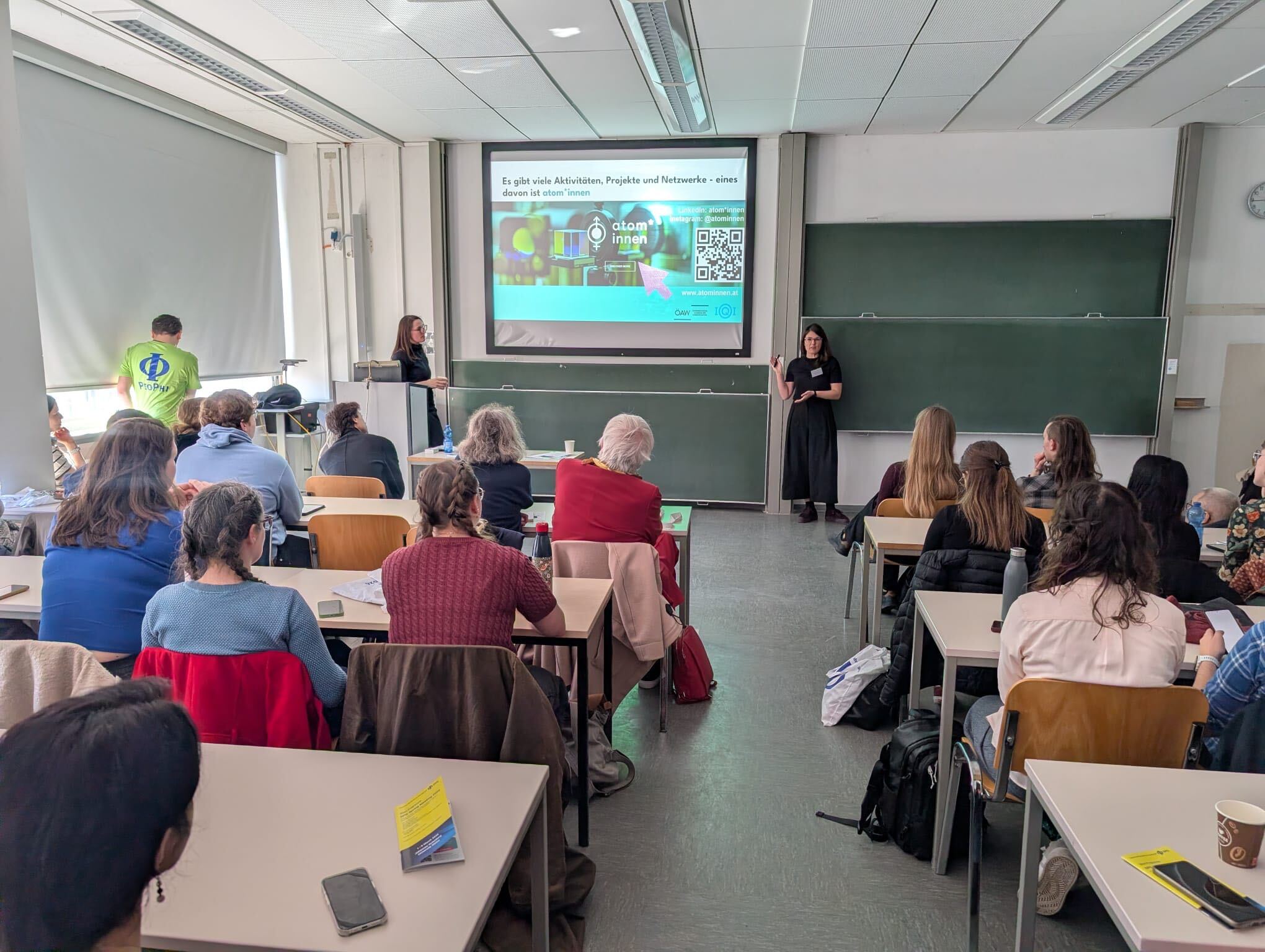
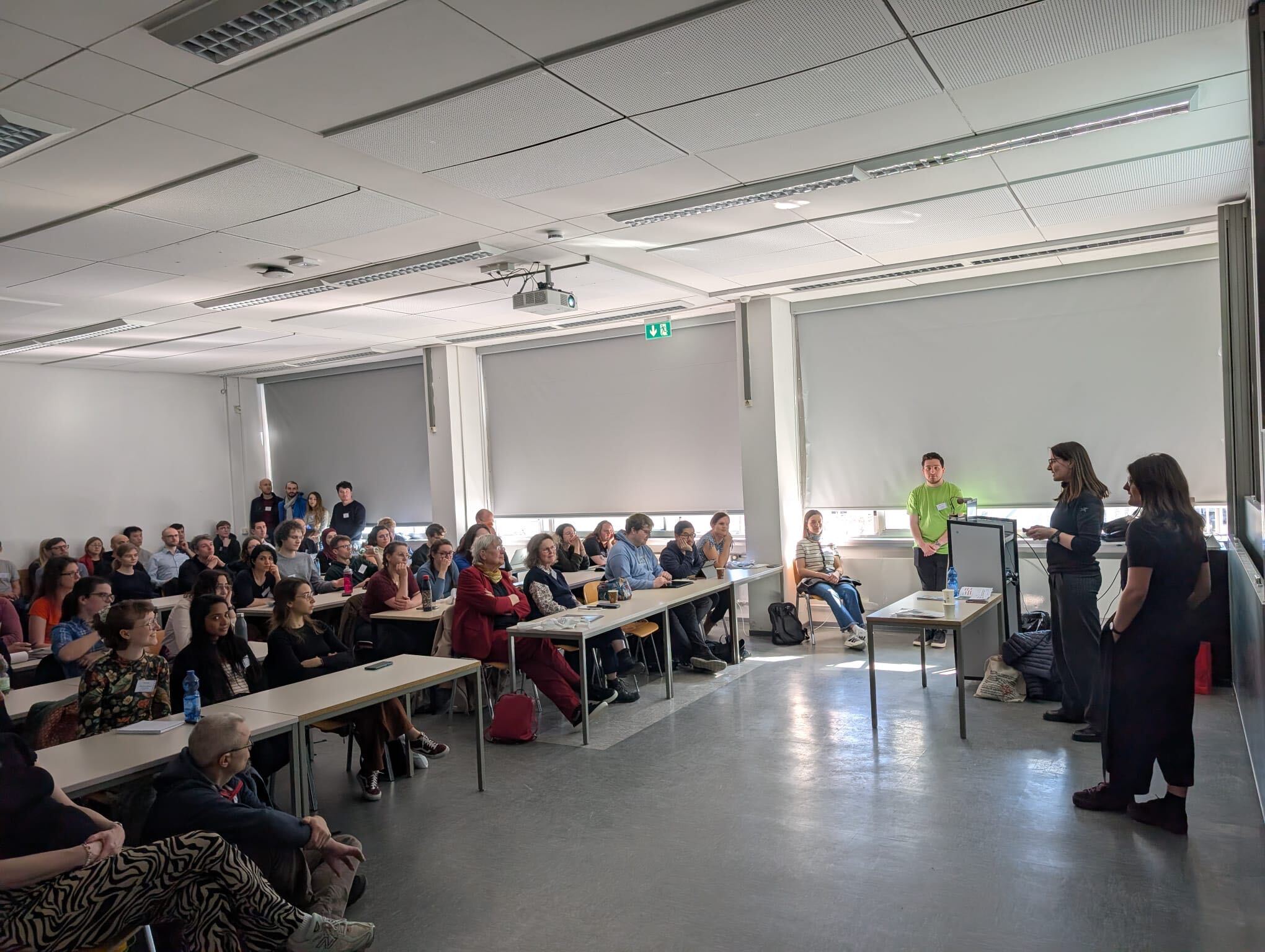
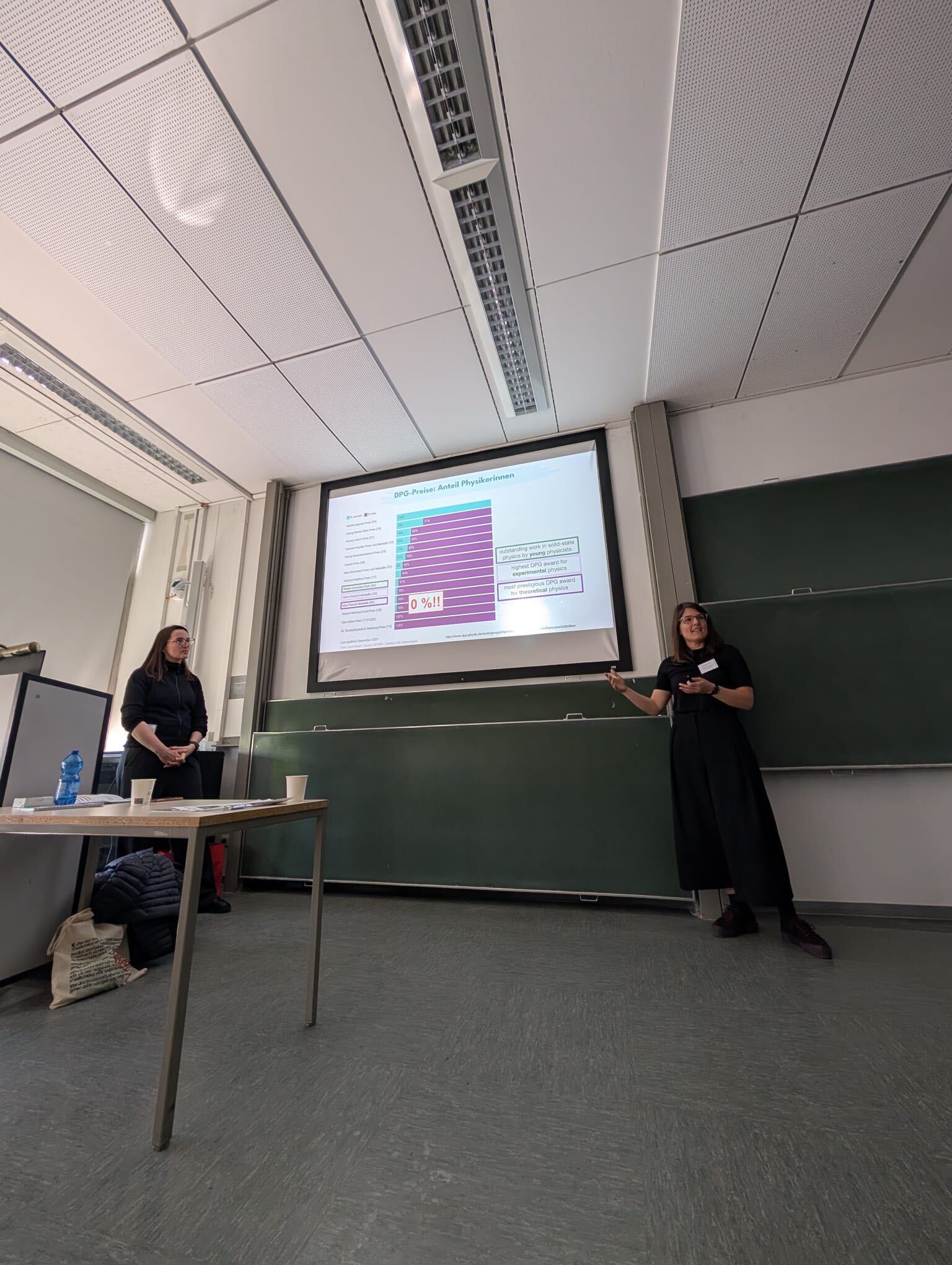
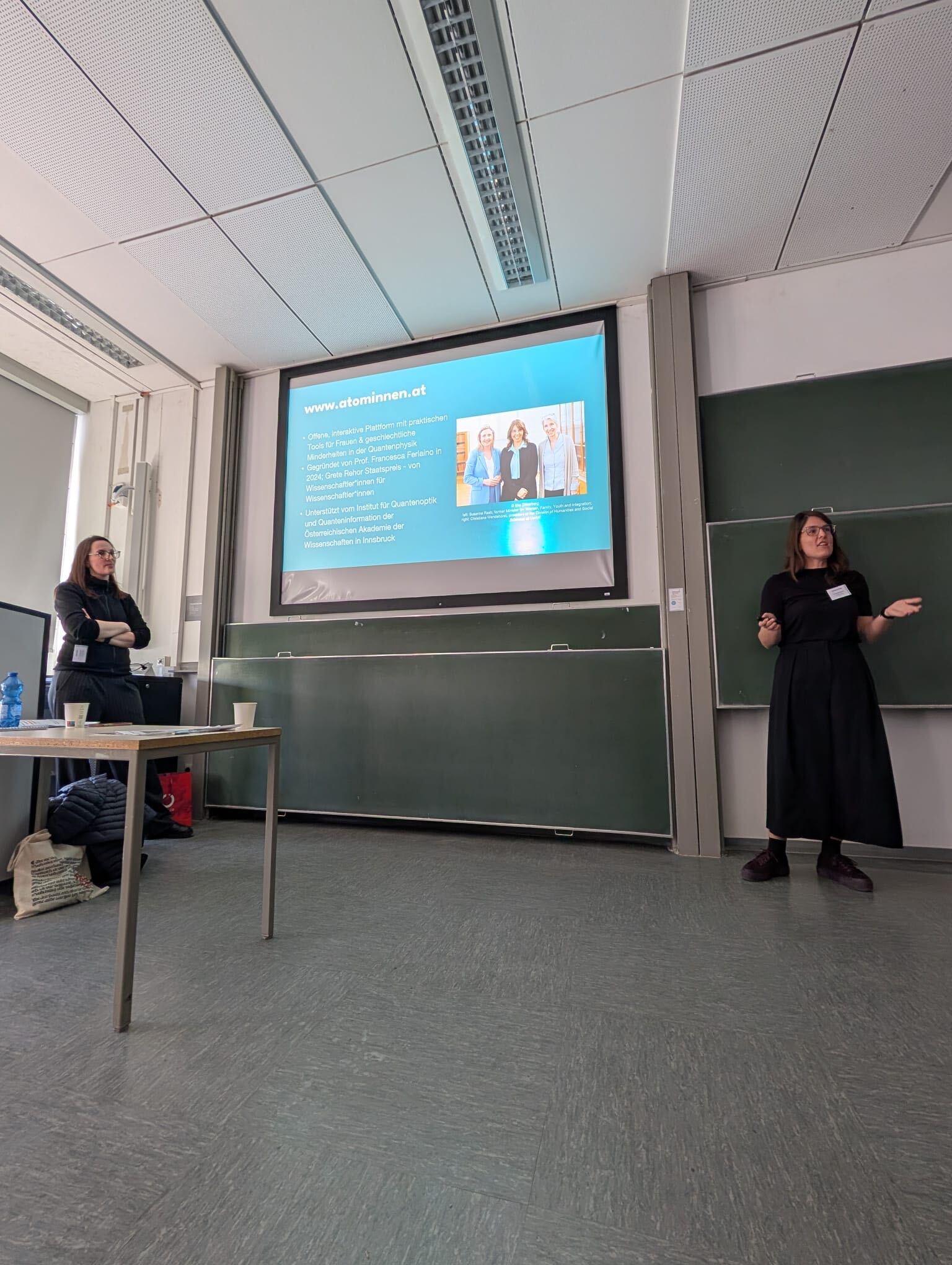
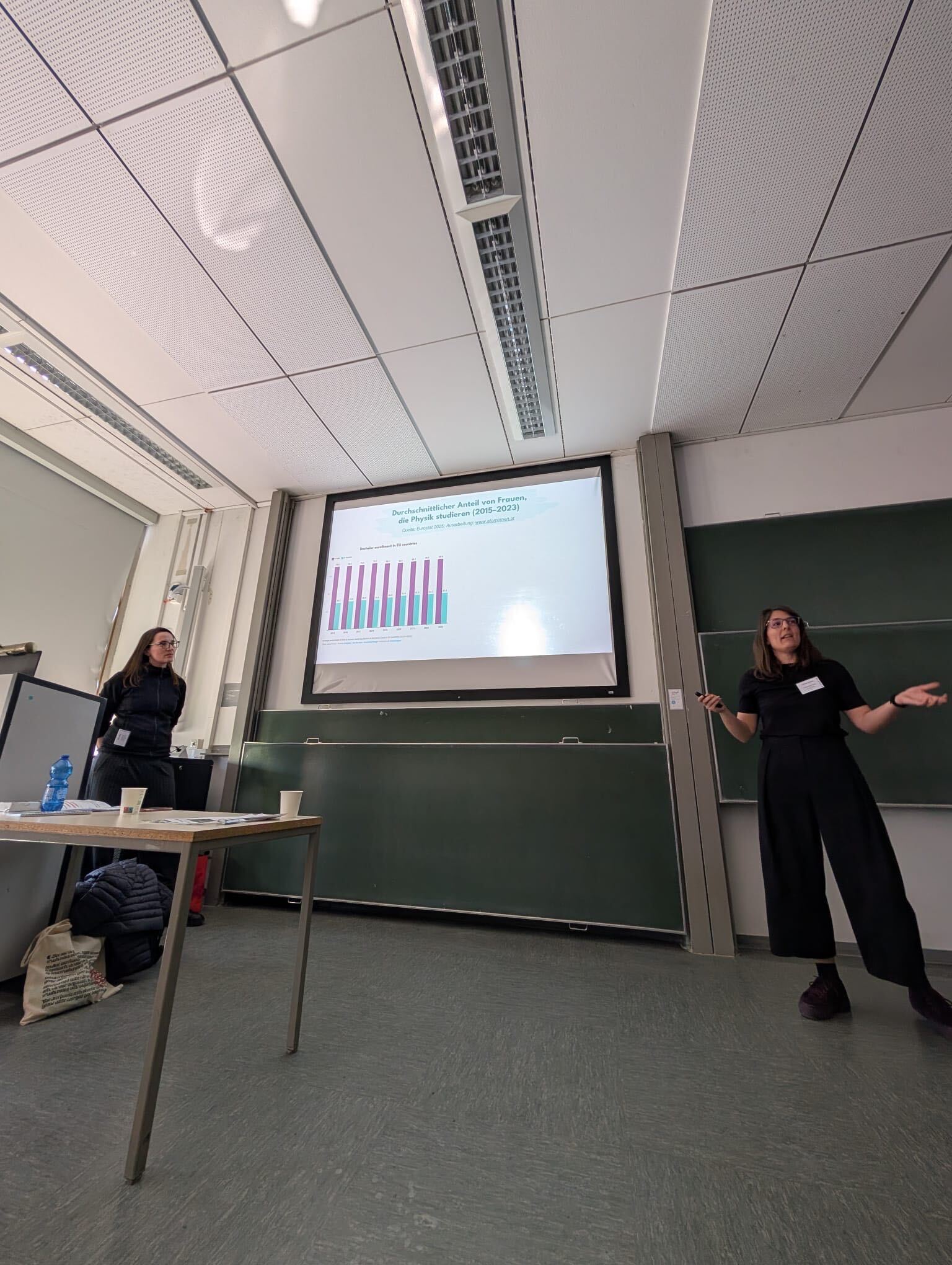
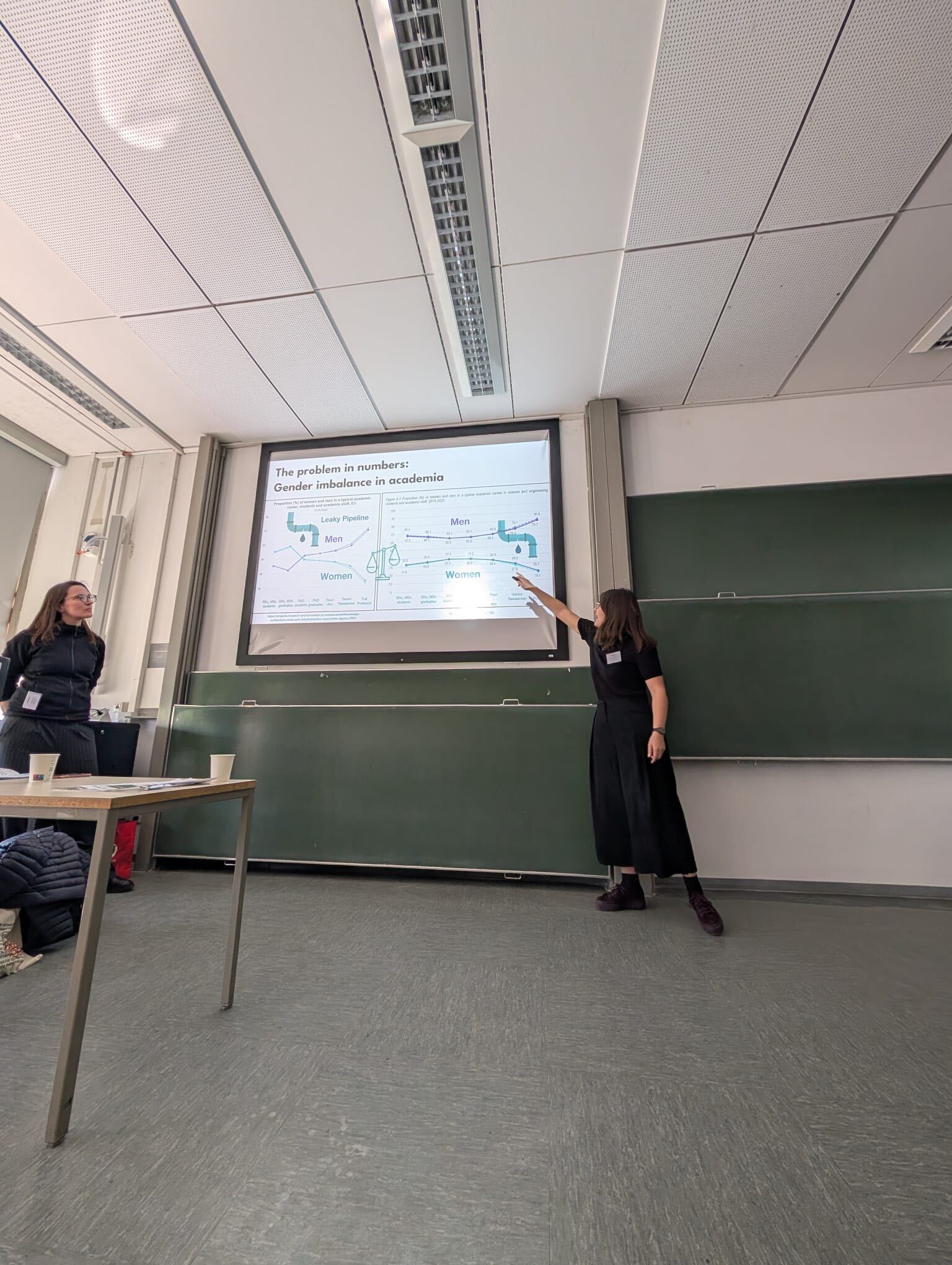
At the SAMOP 2026 conference in Mainz, we were pleased to contribute to the programme of the Working Group on Equal Opportunities (AKC). Together with Ulrike Böhm, our Gender Officer Karoline Irschara gave a plenary talk entitled “Why Diversity Makes Better Physics”, focusing on the persistent gender imbalance in physics and the importance of diversity for science.
In her talk, shepresented recent data on the representation of women in physics and examined where and how gender disparities persist – from the growing number of women studying physics to their continued underrepresentation at senior career levels. She also discussed factors that contribute to these inequalities and why diversity is not only a question of equal opportunities, but also essential for a strong and innovative scientific community. Finally, she introduced atom*innen as a platform for connecting and supporting women and gender minorities in quantum physics and discussed concrete approaches to strengthening inclusion and equal opportunities in physics.
Furthermore, the Working Group on Equal Opportunities of the German Physical Society AKC offered several inspiring contributions addressing different aspects of women’s participation in physics.
Martina Erlemann, Andrea Bossmann and Tamar Grosz presented “Visibility, invisibility and hypervisibility of women in quantum technologies”, exploring how women are perceived and recognized in the rapidly developing field of quantum technologies. Although quantum technologies are considered key technologies of the future, women remain underrepresented in the STEM fields that provide pathways into research and development in this area. The project focuses on a particular paradox: women can be invisible when it comes to recognition, career opportunities and leadership, while at the same time being hypervisible because they are part of a minority. This can mean being more exposed, scrutinized or perceived as a representative of women in the field, without receiving corresponding recognition for their scientific achievements. The researchers examine these different forms of visibility both within the scientific community – for example through awards, recognition and leadership positions – and in public discourse, industry, politics and the media. Their talk presented preliminary findings from the BMBF-funded WomenInQuantumTech research project, which aims to better understand these dynamics and develop effective strategies for improving women’s participation in quantum technologies. We look very much forward to their first publications!
Pauline Gagnon gave a fascinating talk on “The tragic destiny of Mileva Marić Einstein”, examining the life and scientific work of Mileva Marić, Albert Einstein’s first wife, and the evidence surrounding their close collaboration. Marić was one of the few women studying physics at the Polytechnic Institute in Zurich and performed particularly well in applied physics and experimental work. During their studies and later years together, Albert and Mileva exchanged numerous letters describing their shared work and referred to “our work” and “our papers.” Their correspondence and testimonies from people close to the couple also describe them studying, discussing and working on physics together, including during the years surrounding Einstein’s 1905 publications. At the same time, the first paper they referred to as their common work was published under Albert Einstein’s name alone. Gagnon stresses that the available evidence does not allow specific parts of Einstein’s scientific work to be attributed to Marić. Nevertheless, the documents provide substantial evidence of a close scientific collaboration and raise broader questions about how contributions can become invisible in scientific history. You can read more about this very interesting issue in Gagnon's publication from 2020.
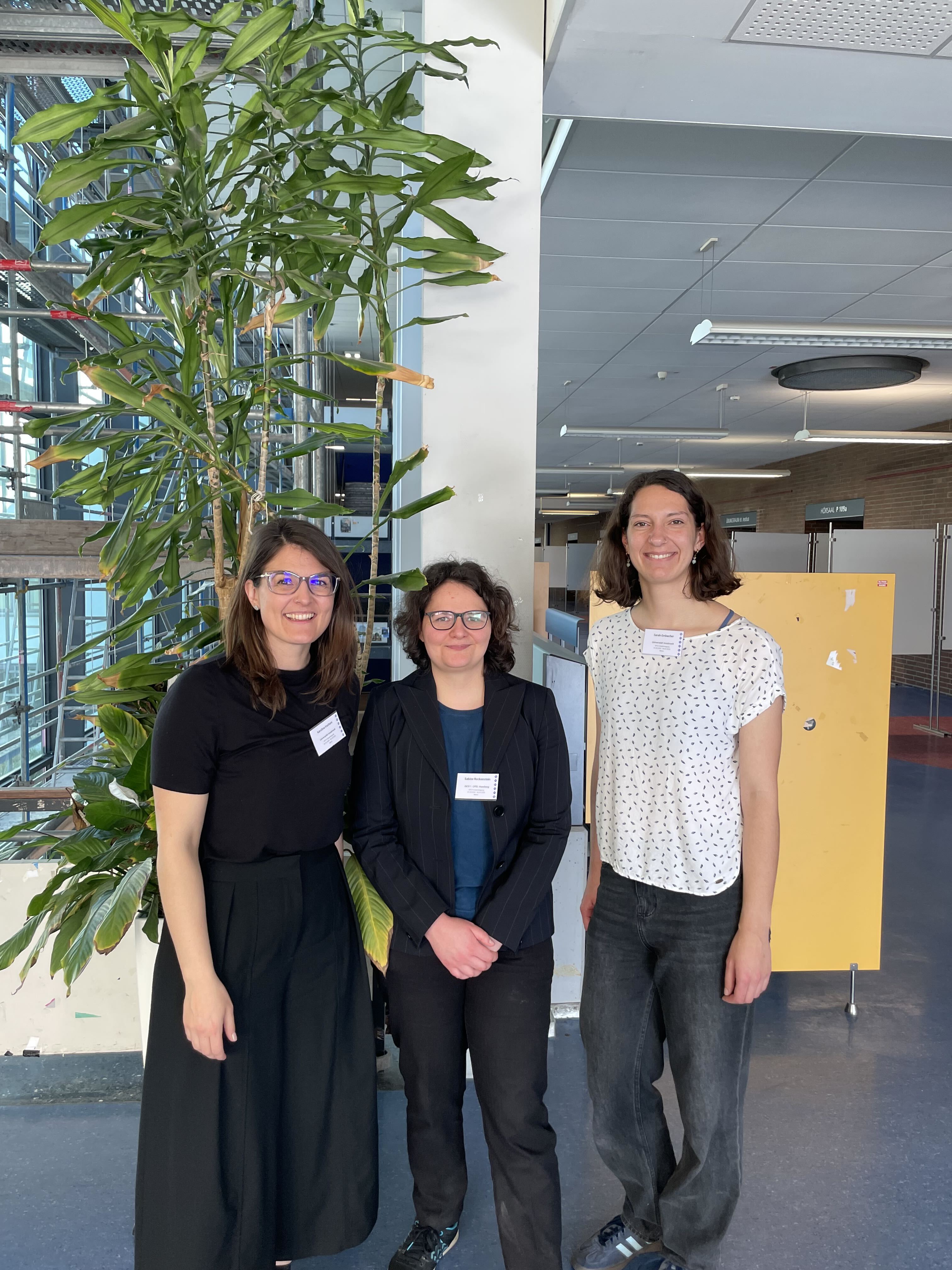
We were also happy to be part of the women’s networking event, organised by Sabine Rockenstein, Ulrike Böhm, Sarah Embacher and Karoline Irschara. The event brought together women from academia and industry and created an informal space to exchange experiences, build new connections and discuss challenges across different career stages – from entering the professional world to navigating career transitions and balancing work and life.
We are grateful for the inspiring programme, discussions and conversations in Mainz – and for the opportunity to keep diversity, visibility and equal opportunities in physics on the agenda.