News

Quantum

On June 12 2026, we had the pleasure of welcoming Prof. Sinha Urbasi to our joint atom*innen lunch. 

Over good food and lively conversation, we had the chance to exchange ideas in depth, not just about physics, but about other topics too: We talked about everyday life in academia, the challenges and rewarding moments of a career in research, and the situation for women in physics in different countries. The different perspectives and personal insights made the lunch very special. We would like to thank Prof. Sinha Urbasi for the open and enriching discussion. Also, many thanks to everyone else who joined and welcome to all of our new members :-) 

About Prof. Urbasi Sinha

Prof. Urbasi Sinha leads the Quantum Information and Computing (QuIC) Laboratory at the Raman Research Institute (RRI), one of the first labs in India to build and apply entangled and heralded single-photon sources for a range of applications in quantum science and technology. Her research spans quantum information science and quantum photonics, including work toward a quantum internet, alongside a strong interest in probing the foundations of quantum mechanics, such as experimental tests of the Leggett–Garg inequality.

Sinha served as an Associate Professor at RRI from 2012 to 2019 and was promoted to full Professor in 2020. In 2017, she was appointed a Homi Bhabha Fellow at the Cavendish Laboratory, and in 2020 became an Emmy Noether Fellow at the Perimeter Institute for Theoretical Physics. In 2023, her research group achieved a milestone by demonstrating a quantum communication link between a stationary and a moving platform — the same year she was awarded a Canada Excellence Research Chair in Photonic Quantum Science and Technologies at the University of Calgary. She is also contributing to the design of India's National Quantum Mission.

Her contributions have been widely recognized: she was named to the Asian Scientist 100 list in 2018, received the Chandrasekharendra Saraswathi National Eminence Award in 2023, and was honored with the Vigyan Yuva – Shanti Swarup Bhatnagar Award in the Physics category in 2024.

We warmly thank Prof. Sinha for the open and enriching exchange!

 2026 06 atominnen lunch


Copyright: D. Jordan | IQOQI Innsbruck

We are very happy to share this feature!

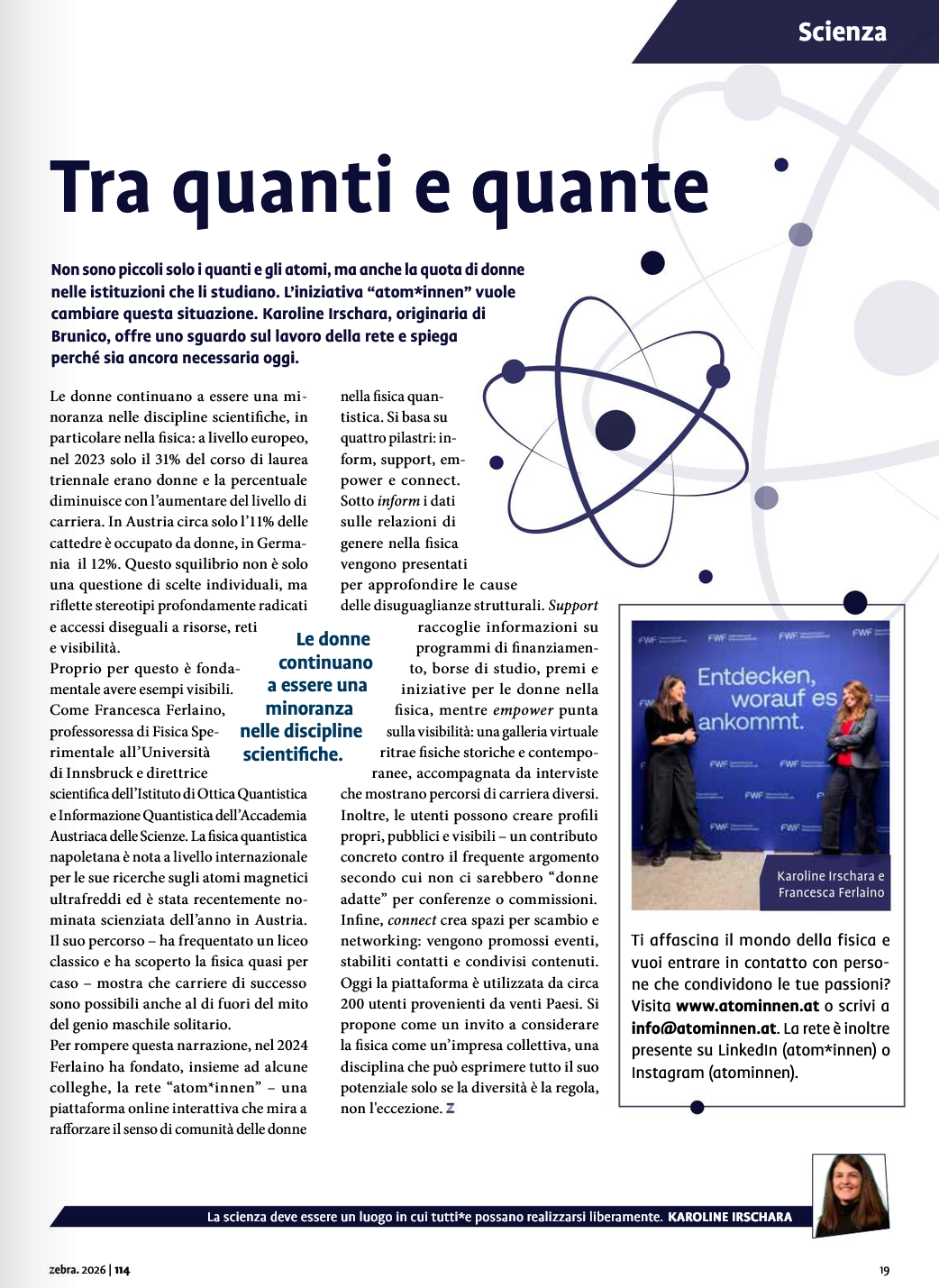
atom*innen has been featured in the latest issue of the ZEBRA street newspaper. The article gives readers an insight into our work and our commitment to increasing visibility, equal opportunities and diversity in physics – helping us bring these topics to an audience beyond the physics community.

ZEBRA is the street newspaper of South Tyrol, published by the OEW – Organisation für Eine solidarische Welt . The independent, multilingual newspaper combines journalism with a social project: people in difficult life situations sell the newspaper on the streets of South Tyrol, providing them with an opportunity to earn an income. The project also offers social support and guidance.

We are very grateful to the ZEBRA team for giving space to our work and for helping bring the conversation about a more inclusive and equitable scientific community to a wider audience.

→ Read the article (Italian) in ZEBRA

zebra atominnen

Tyrolean Regional Minister for Science Cornelia Hagele visited IQOQI Innsbruck ahead of International Women's Day. She spoke with Francesca Ferlaino, Scientist of the Year, and attended a get-together with motivated young female scientists from the atom*innen network. The visit by Cornelia Hagele presented an opportunity to discuss current research, the role of Innsbruck as an international hot spot for quantum research, and the importance of women in quantum physics.

20260304_Ferlaino-4_Krepper.jpg

Copyright: Land Tirol / Krepper

Ferlano's path to physics

During the conversation, Francesca Ferlaino first recounted her personal journey into physics. Growing up in Naples with a classical education in Latin and Ancient Greek, she discovered her enthusiasm for science rather unexpectedly: “For me, physics was initially a coincidence – but at a certain point, I knew: I want to understand how nature works.” Today, Ferlaino is one of the most internationally renowned scientists in the field. Her research focuses on quantum gases at ultra-cold temperatures. She was one of the first to observe a supersolid state in the laboratory – an elusive quantum state in which the properties of solids and liquids are simultaneously apparent.

For Ferlaino, Innsbruck offers ideal conditions for her work: “Innsbruck is world-renowned for quantum physics. It was clear to me that if I wanted to learn new techniques and conduct research at the highest level, this was the place to be,” explains the physicist. The close cooperation between the University of Innsbruck, IQOQI, and numerous international partner institutions creates a research environment of the highest standard.


atom*innen: Visibility and Networking

In addition to her scientific work, Ferlaino is committed to promoting equal opportunities in science: in 2024, she founded the international network atom*innen, for which she was awarded the Grete Rehor National Prize. The interactive online platform aims to strengthen the sense of community among women in quantum physics. On the one hand, the platform collects data on gender relations in physics in order to better understand the current situation. On the other hand, it offers a wealth of practical information on support programs, scholarships, awards, and initiatives for women in physics, while also helping to make women more visible: a virtual gallery portrays historical and contemporary female physicists, accompanied by interviews that highlight different career paths. In addition, users can create their own public and visible profiles—a concrete contribution to countering the frequently raised argument that there are no “suitable women” for conferences or commissions. The network also organizes events for exchange and networking to facilitate new contacts and collaborations.

During her visit, State Councilor Hagele also met numerous young female physicists at the institute who are active in the atom*innen network. The exchange highlighted how important such initiatives are for women in science—for example, to realize that they are not alone in their experiences and to strengthen each other. At the same time, such networks also provide an important space for collaboration and for sharing a common fascination with physics.

According to Ferlaino, the proportion of women in physics has hardly changed on average across the EU in recent years, and it is important to work together to break down stereotypes. Hagele also emphasized the importance of accessible role models: „We must not accept that old role models determine the course of our lives. After all, equality begins in the classroom. That is why we must inspire both girls and boys to take an interest in science. Talent ain’t got no gender.“ In order to improve the sometimes still difficult balance between having kids and a career, the state of Tyrol is currently expanding its childcare programs. 


▶ Watch the conversation on YouTube

Copyright: Land Tirol / Neuner (the first two pictures) / Krepper

We want to thank Minister Cornelia Hagele and her team again for the visit! :-)

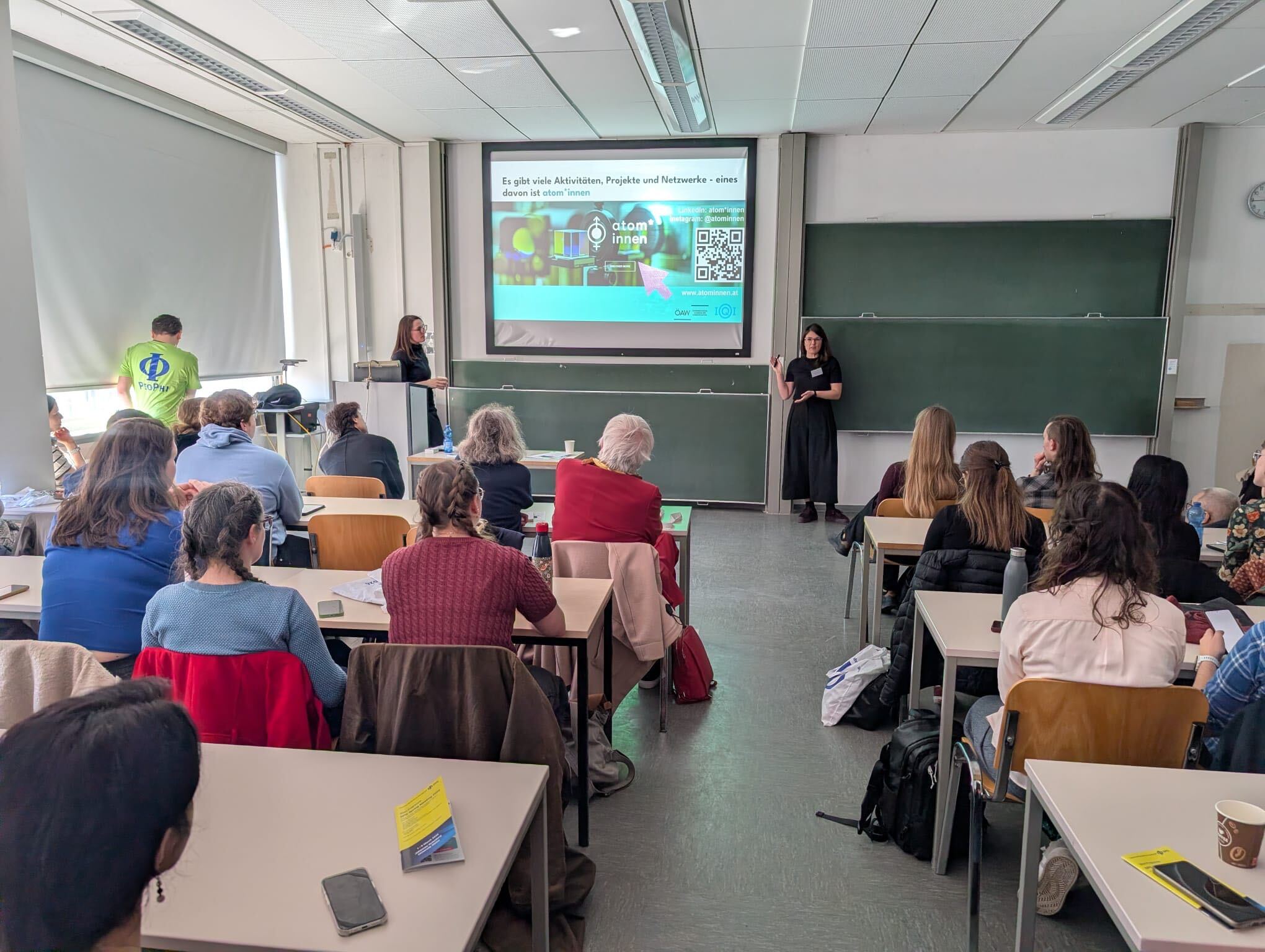
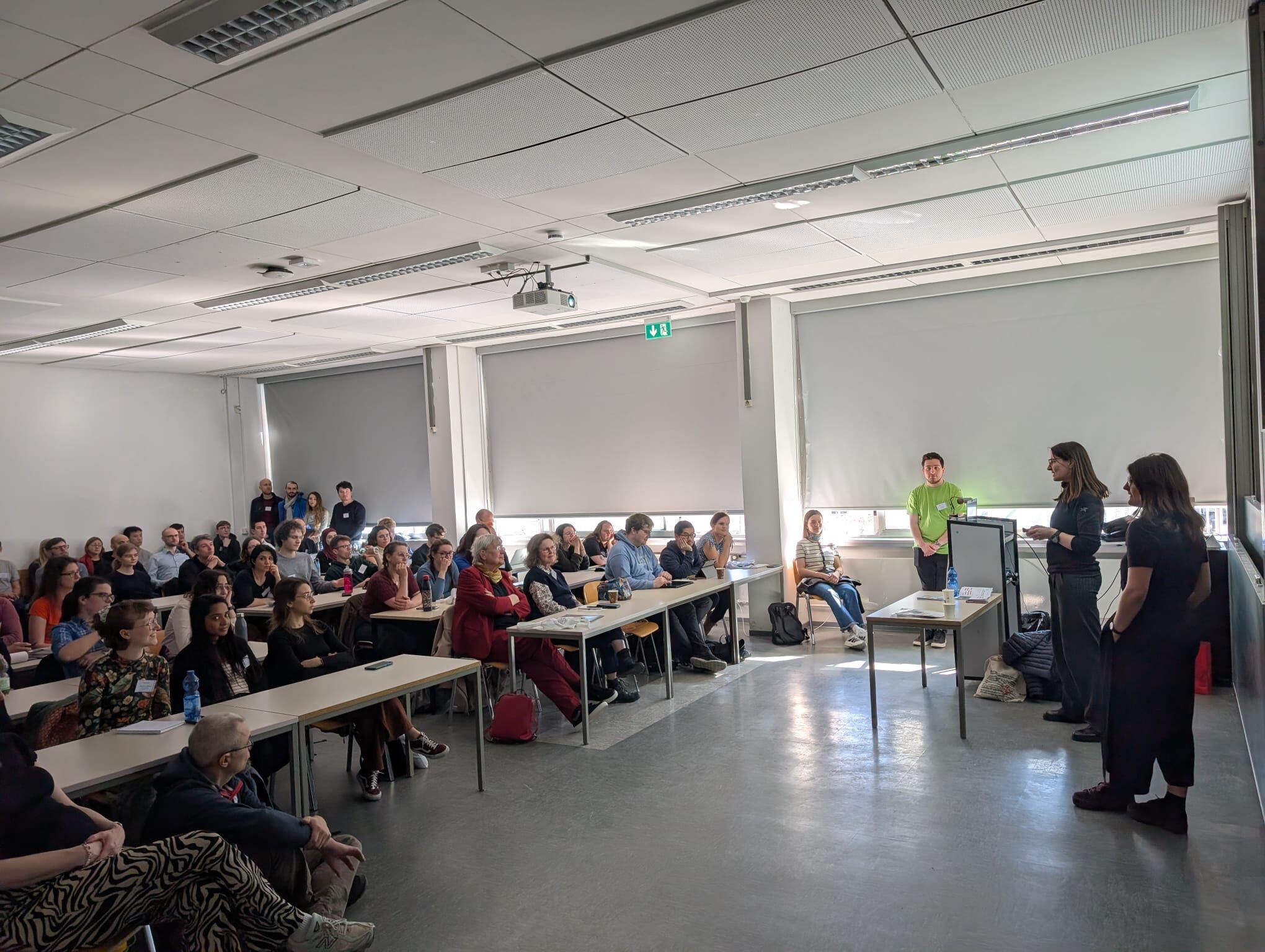
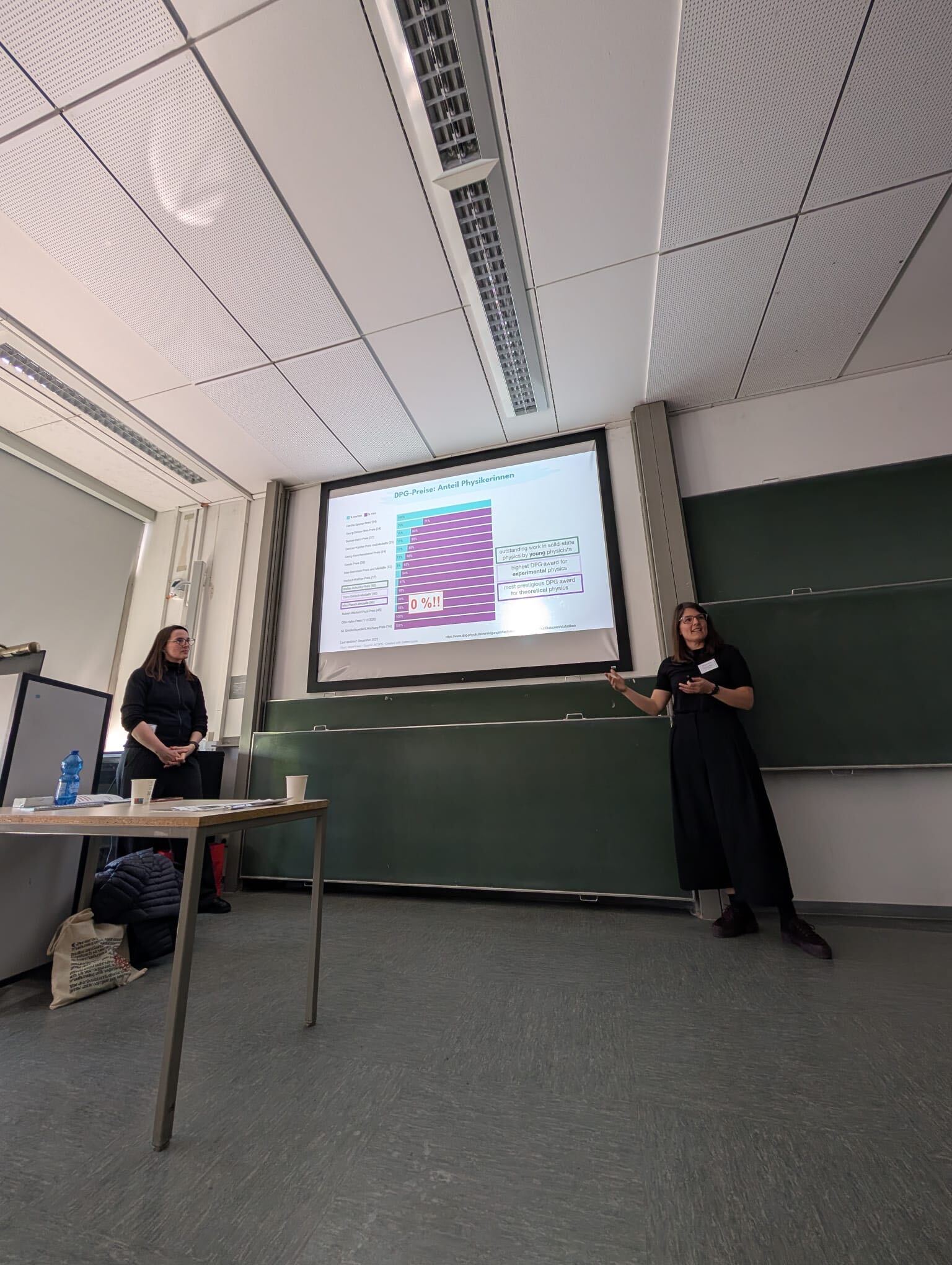
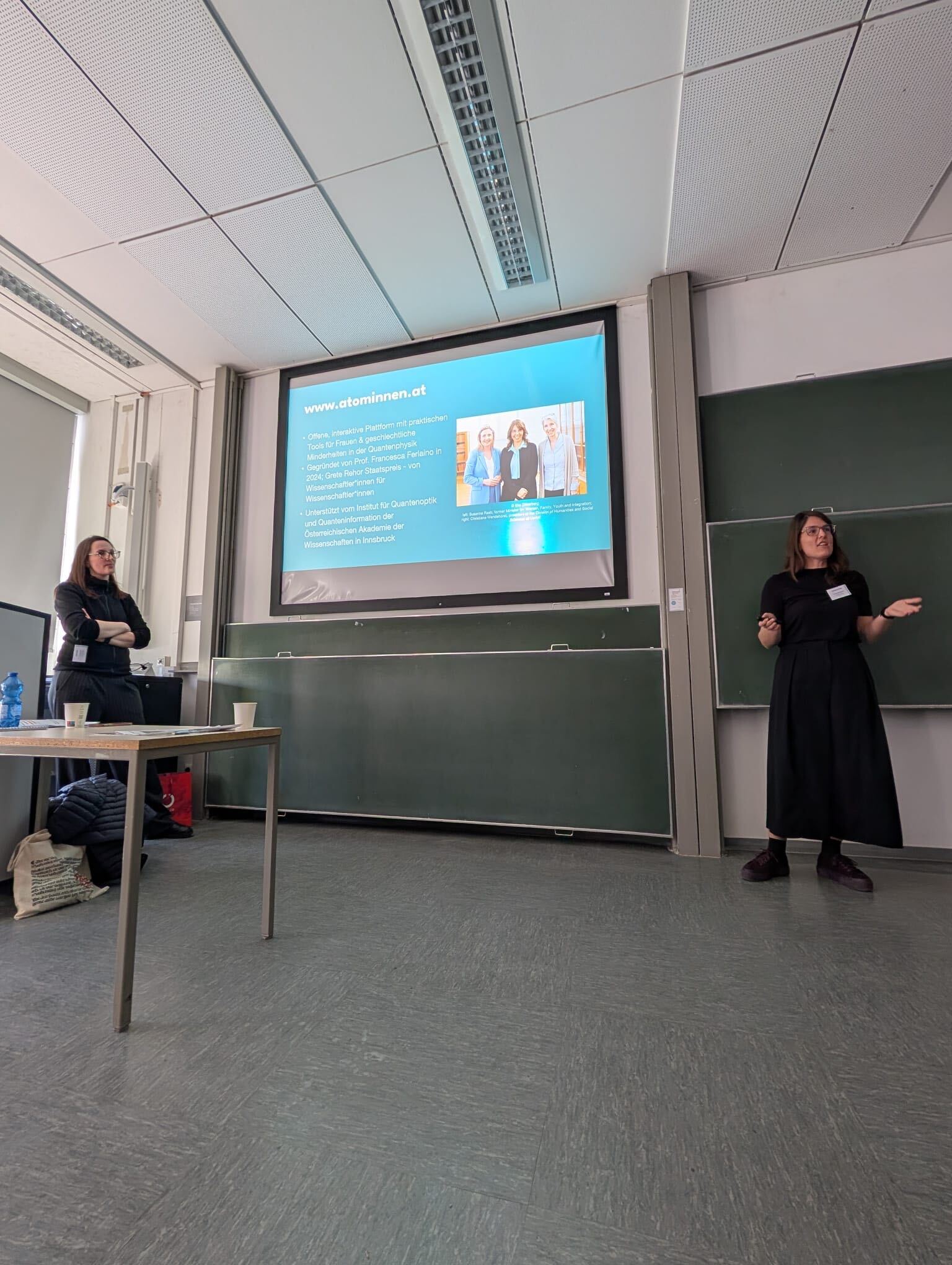
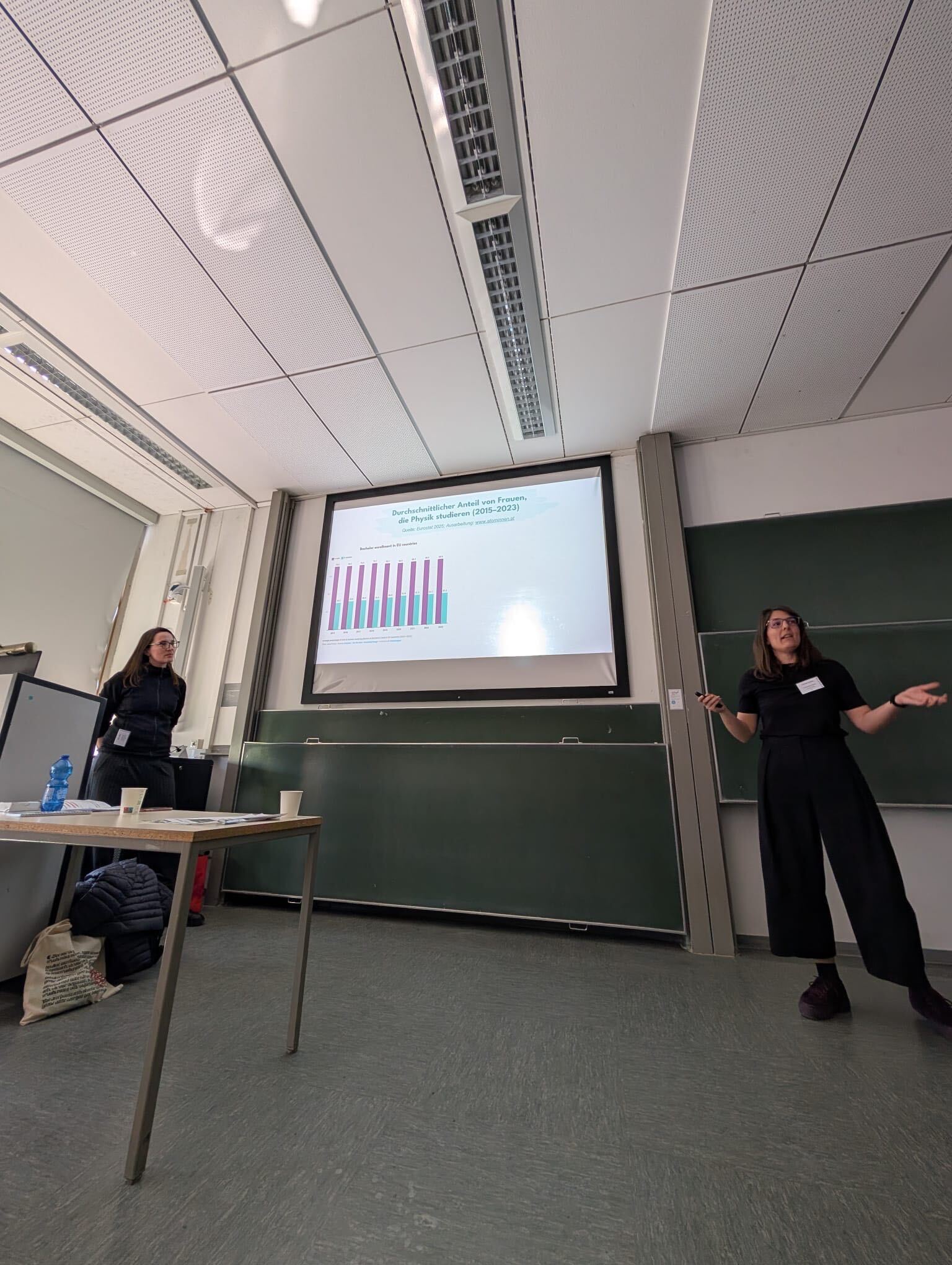
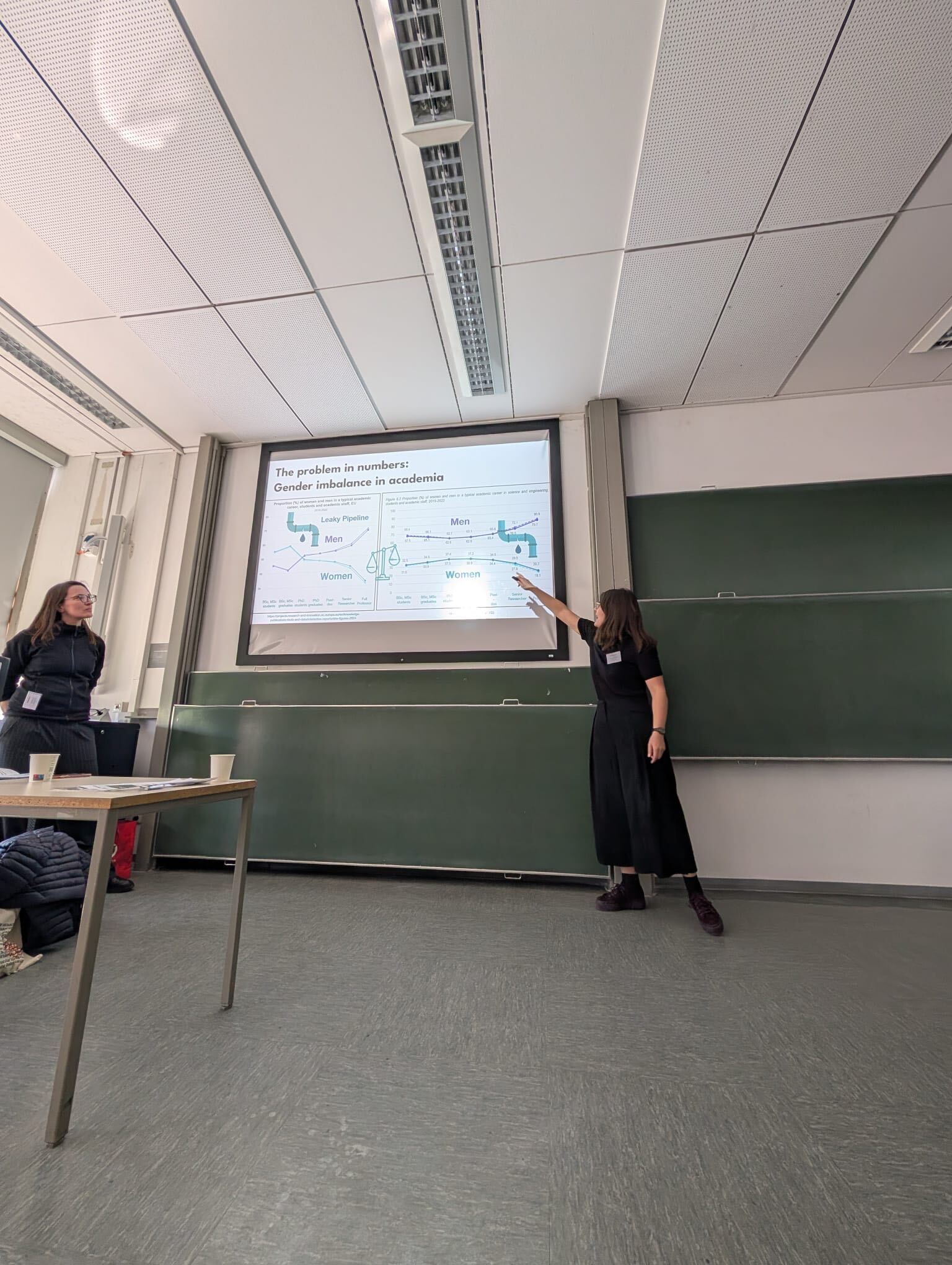
At the SAMOP 2026 conference in Mainz, we were pleased to contribute to the programme of the Working Group on Equal Opportunities (AKC). Together with Ulrike Böhm, our Gender Officer Karoline Irschara gave a plenary talk entitled “Why Diversity Makes Better Physics”, focusing on the persistent gender imbalance in physics and the importance of diversity for science.

In her talk, shepresented recent data on the representation of women in physics and examined where and how gender disparities persist – from the growing number of women studying physics to their continued underrepresentation at senior career levels. She also discussed factors that contribute to these inequalities and why diversity is not only a question of equal opportunities, but also essential for a strong and innovative scientific community. Finally, she introduced atom*innen as a platform for connecting and supporting women and gender minorities in quantum physics and discussed concrete approaches to strengthening inclusion and equal opportunities in physics.

× ❮ ❯

Furthermore, the Working Group on Equal Opportunities of the German Physical Society AKC offered several inspiring contributions addressing different aspects of women’s participation in physics.

Martina Erlemann, Andrea Bossmann and Tamar Grosz presented “Visibility, invisibility and hypervisibility of women in quantum technologies”, exploring how women are perceived and recognized in the rapidly developing field of quantum technologies. Although quantum technologies are considered key technologies of the future, women remain underrepresented in the STEM fields that provide pathways into research and development in this area. The project focuses on a particular paradox: women can be invisible when it comes to recognition, career opportunities and leadership, while at the same time being hypervisible because they are part of a minority. This can mean being more exposed, scrutinized or perceived as a representative of women in the field, without receiving corresponding recognition for their scientific achievements. The researchers examine these different forms of visibility both within the scientific community – for example through awards, recognition and leadership positions – and in public discourse, industry, politics and the media. Their talk presented preliminary findings from the BMBF-funded WomenInQuantumTech research project, which aims to better understand these dynamics and develop effective strategies for improving women’s participation in quantum technologies. We look very much forward to their first publications!

Pauline Gagnon gave a fascinating talk on “The tragic destiny of Mileva Marić Einstein”, examining the life and scientific work of Mileva Marić, Albert Einstein’s first wife, and the evidence surrounding their close collaboration. Marić was one of the few women studying physics at the Polytechnic Institute in Zurich and performed particularly well in applied physics and experimental work. During their studies and later years together, Albert and Mileva exchanged numerous letters describing their shared work and referred to “our work” and “our papers.” Their correspondence and testimonies from people close to the couple also describe them studying, discussing and working on physics together, including during the years surrounding Einstein’s 1905 publications. At the same time, the first paper they referred to as their common work was published under Albert Einstein’s name alone. Gagnon stresses that the available evidence does not allow specific parts of Einstein’s scientific work to be attributed to Marić. Nevertheless, the documents provide substantial evidence of a close scientific collaboration and raise broader questions about how contributions can become invisible in scientific history. You can read more about this very interesting issue in Gagnon's publication from 2020.

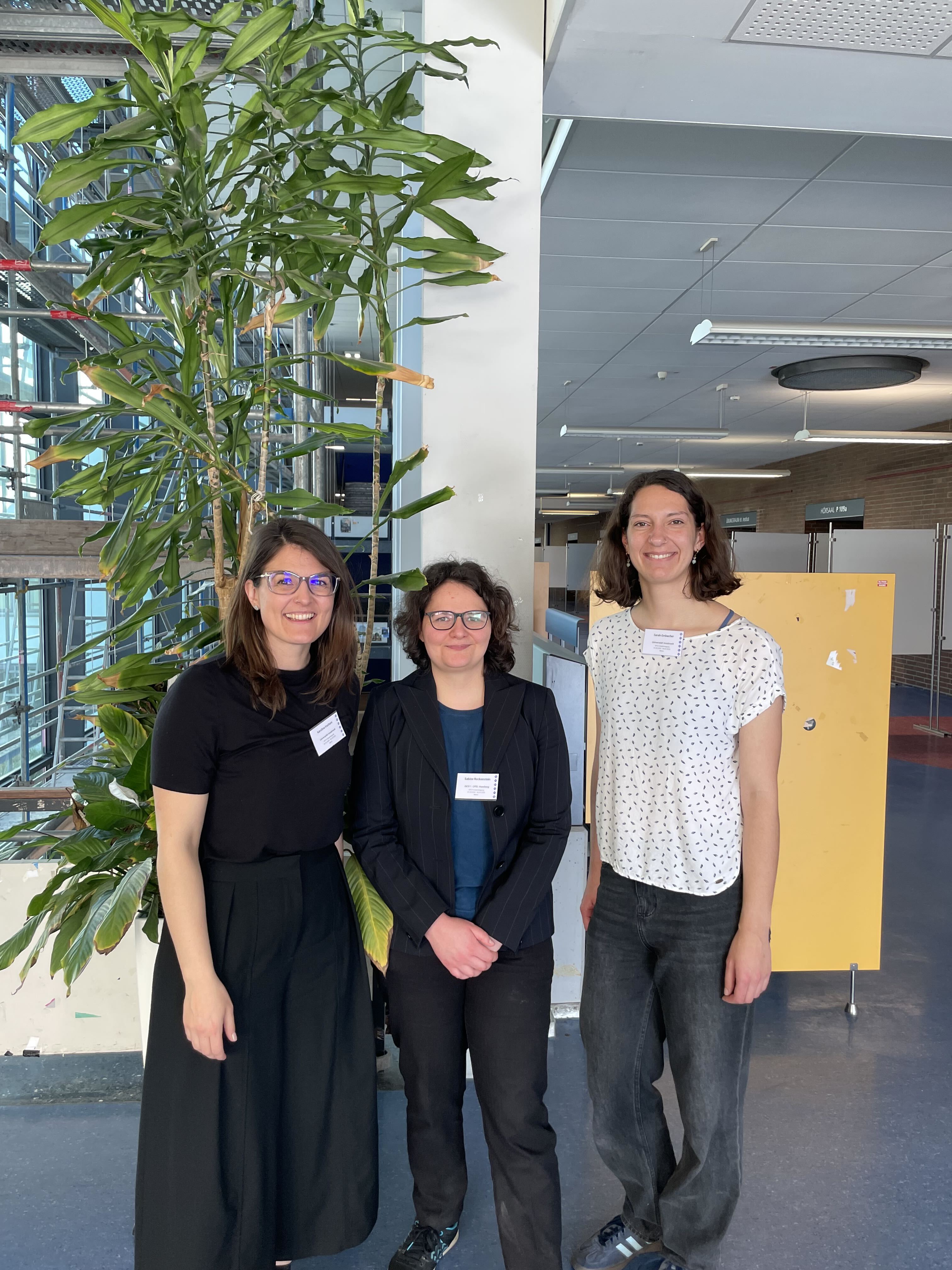
We were also happy to be part of the women’s networking event, organised by Sabine Rockenstein, Ulrike Böhm, Sarah Embacher and Karoline Irschara. The event brought together women from academia and industry and created an informal space to exchange experiences, build new connections and discuss challenges across different career stages – from entering the professional world to navigating career transitions and balancing work and life. 

We are grateful for the inspiring programme, discussions and conversations in Mainz – and for the opportunity to keep diversity, visibility and equal opportunities in physics on the agenda.


February 11 marks a significant day dedicated to celebrating and advocating for the involvement of girls and women in science. This day serves as a reminder to inspire young women to follow their scientific interests and creativity while reflecting on how support for their ambitions can be strengthened. Established by UNESCO and the United Nations, this occasion highlights the essential contributions of women in science and acknowledges their accomplishments.

Moreover, it brings attention to the necessary structural changes still needed in the scientific community globally. While progress has been made, women are still underrepresented in senior academic and decision-making roles. For instance, although women make up 48% of doctoral graduates in the EU, they constitute only about one-third of researchers across Europe (She Figures 2024). Additionally, women in research often experience shorter, lower-paying careers and face ongoing systemic hurdles in their pursuit of scientific professions.

 As the United Nations put it:

“Closing the gender gap in science requires breaking stereotypes, promoting role models to inspire girls, supporting women's advancement through targeted programmes, and fostering inclusive environments through policies and actions that promote inclusion, diversity, and equity."

With the atom*innen community, this is precisely the area in which we aim to make a difference. Over the past year, we have published an in-depth interview every 11th of the month, highlighting inspiring women in quantum physics, including their research, career paths and perspectives. Through these conversations, we want to demonstrate that it is possible to change the narrative, and that science requires ALL talents in order to thrive.Special thanks to our inspiring interview partners (pictured below) who generously shared their stories, insights and experiences with our community.
From left to right:

All interviews are available here. Feel free to share :-)

FINAL feb 11

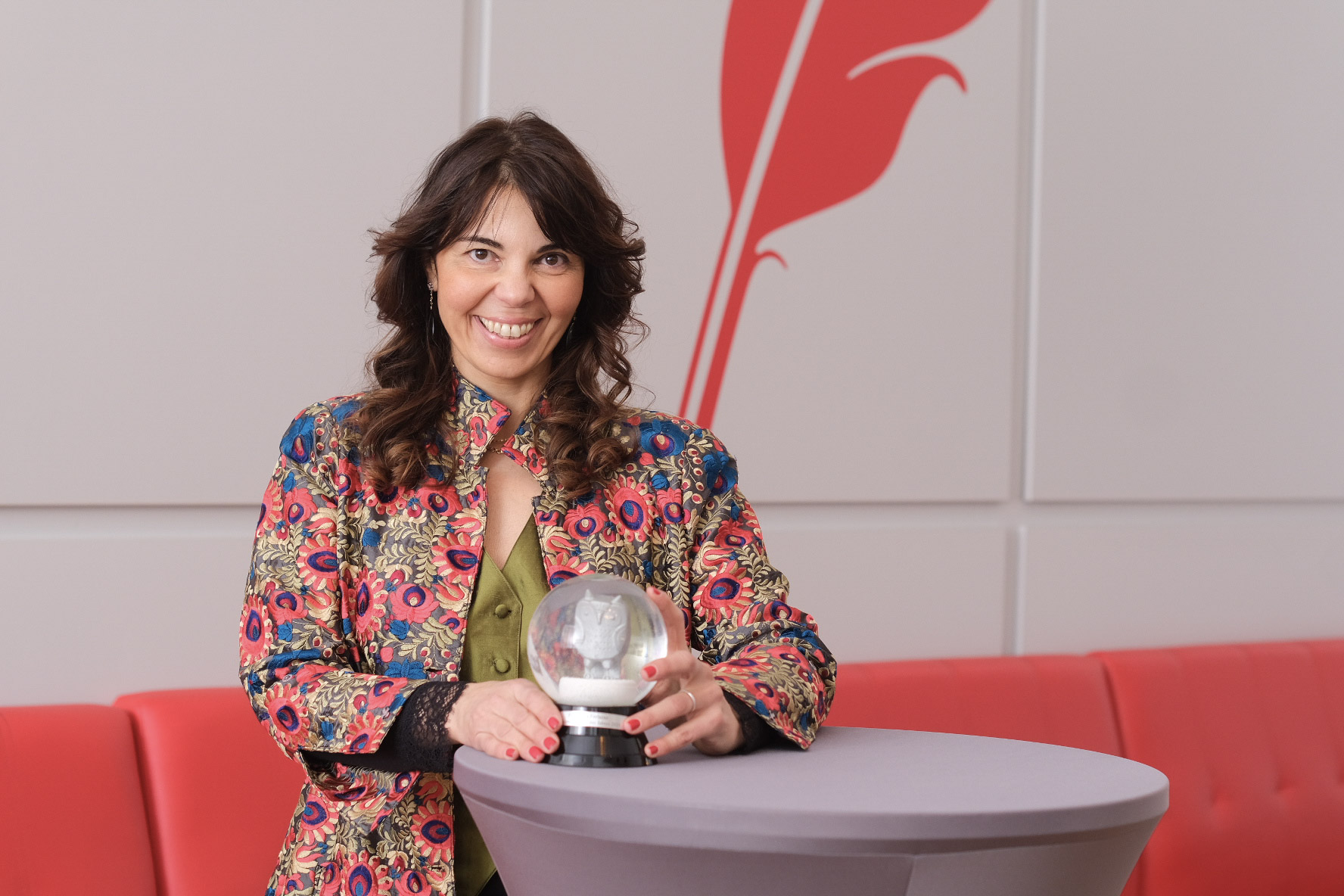
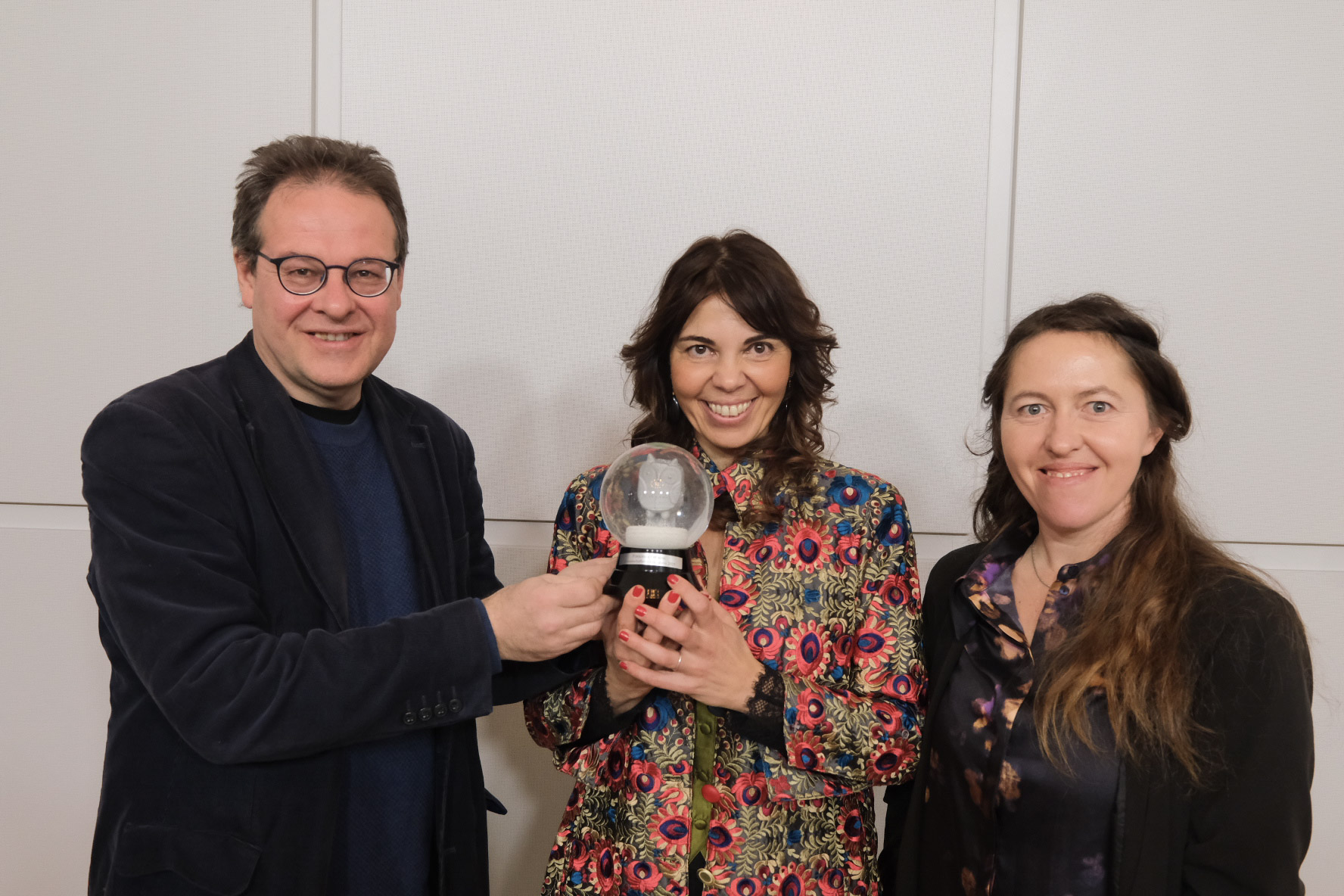
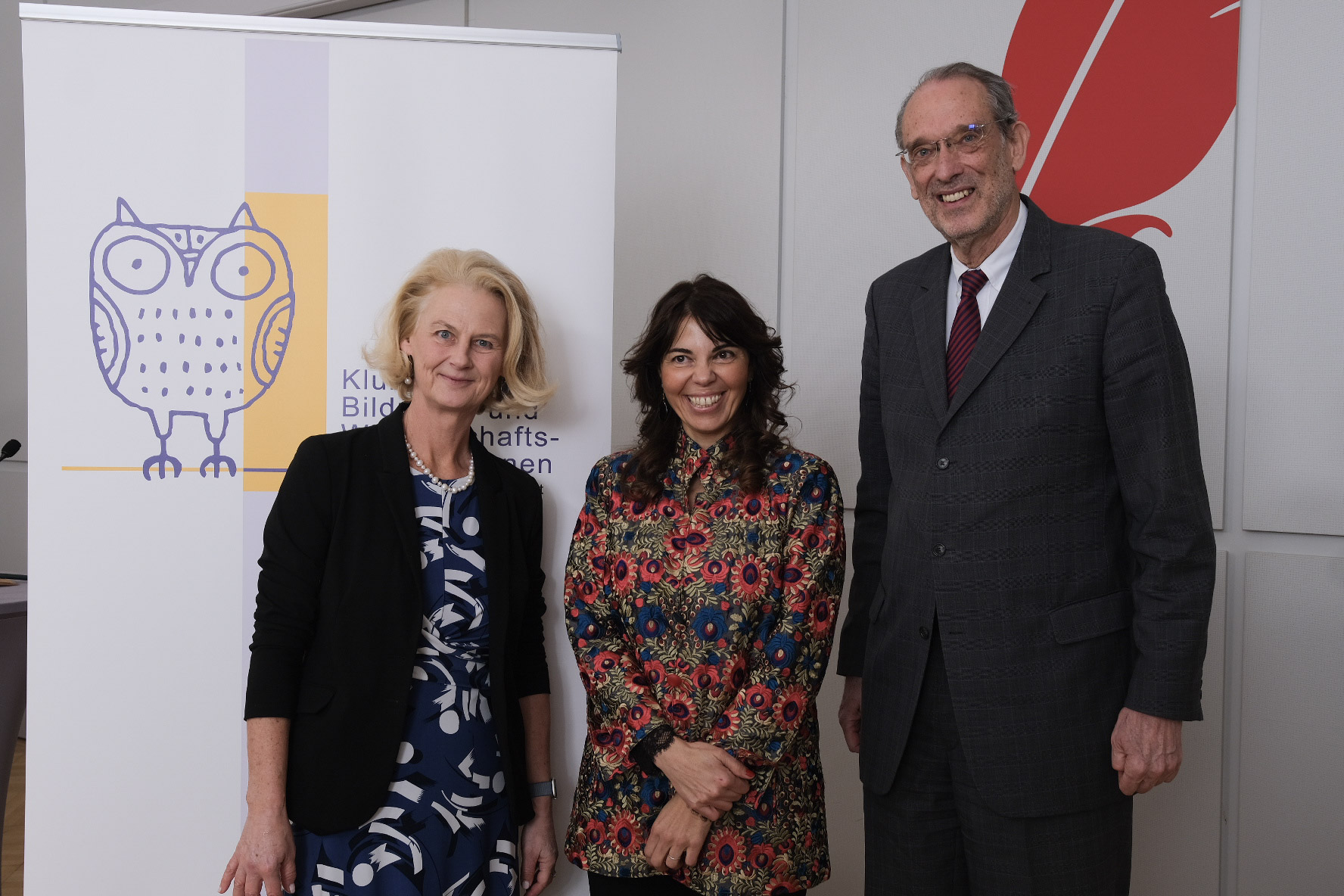
We are thrilled to share some wonderful news: Prof. Francesca Ferlaino, founder of Atominnen, was awarded Austria’s Scientist of the Year 2025.

This prestigious award, presented by the Austrian Association of Science and Education Journalists, recognises not only her outstanding scientific achievements, but also her exceptional dedication to communicating science. It recognises her remarkable dedication to making complex quantum phenomena accessible to the general public, and to emphasising the importance of fundamental research for society.

Beyond her internationally acclaimed research, Francesca Ferlaino is deeply committed to opening up science by sharing knowledge beyond academia, engaging diverse audiences and fostering dialogue between research and society.

„I am deeply honored by this prestigious recognition. I have always been convinced that science is not a solitary effort, but a shared good whose value grows when knowledge is exchanged and communicated. This award gives special recognition to the importance of science communication and to the role it plays in making research meaningful for society. I am particularly proud if, through my work, I have been able to contribute to a broader understanding of the importance of fundamental science,” says Francesca Ferlaino.

This award also recognizes her tireless advocacy for equality and inclusion in physics. She is committed to encouraging girls and women that they are urgently needed in physics and science and that we would all do well to break down stereotypes - after all, science is for everyone.

We warmly congratulate Francesca on this well-deserved honour, and thank her for being such an inspiring role model, mentor and driving force for an inclusive scientific culture. Atom*innen could not be more proud :-) 

Francesca Ferlaino – Austria’s Scientist of the Year 2025

Francesca Ferlaino portrait Francesca Ferlaino at IQOQI Innsbruck

Photos by Roland Ferrigato

Press coverage: 

ORF Science  | ORF 3 | Der Standard | Profil | Die Presse | Tiroler Tageszeitung | Mein Bezirk | Salzburger Nachrichten | Il Mattino |La Repubblica