

We have just kicked off our #PhysicsCounts campaign - a social media campaign in which we use data to spark conversations about representation and visibility in physics. Numbers alone don't tell the whole story, but they make patterns visible that are otherwise easy to overlook, and visibility is a first step toward change.
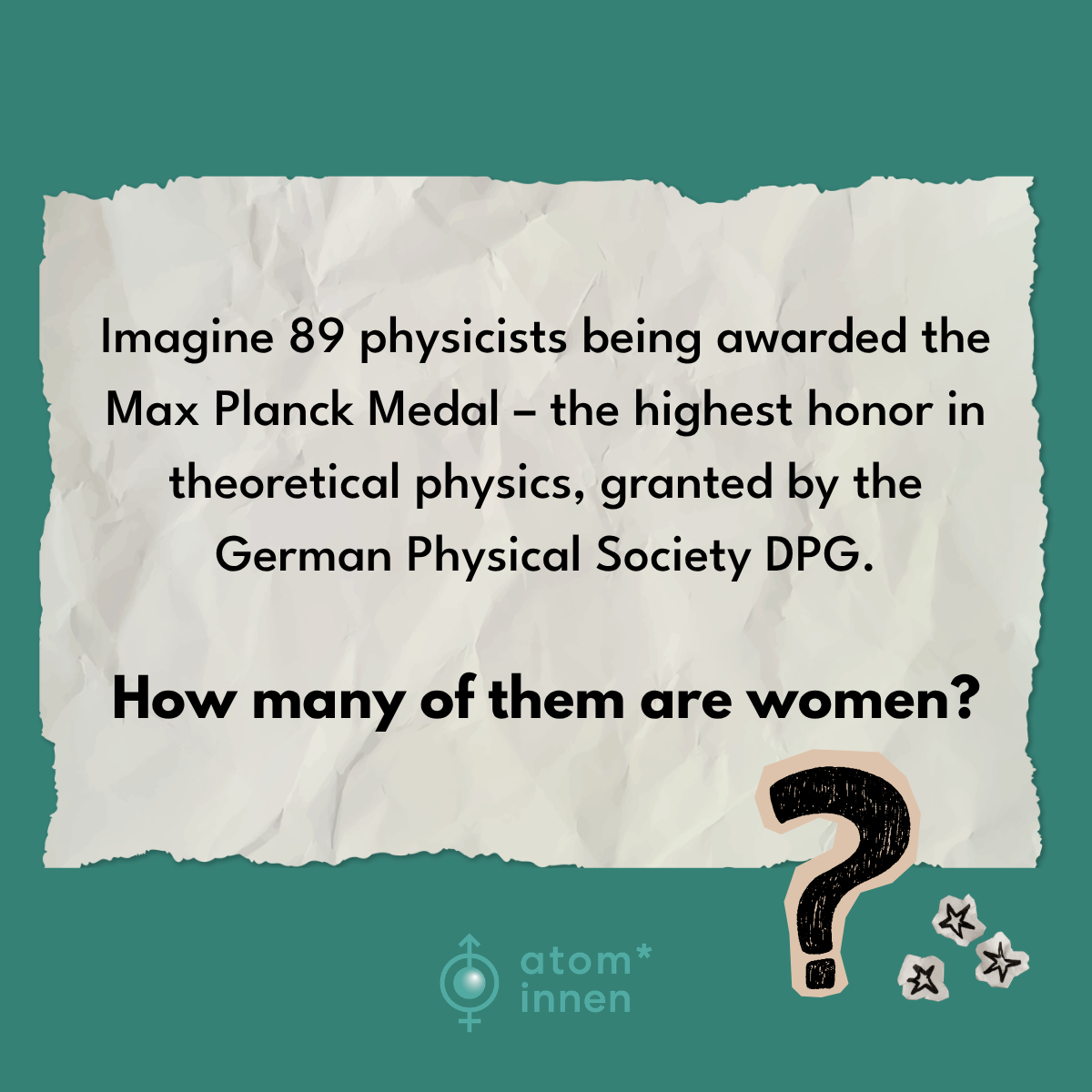
We started with a question about the most prestigious prize by the German Physical Society (DPG) that is being awarded in Theoretical Physics. It's the Max Planck Medal, established in 1929 by Max Born, Albert Einstein, Max von Laue, Erwin Schrödinger, and Arnold Sommerfeld to celebrate Max Planck's 70th birthday. Since then, the medal has been awarded 89 times.
We asked our community: What do you think: How many of those 89 recipients were women?
The answer:
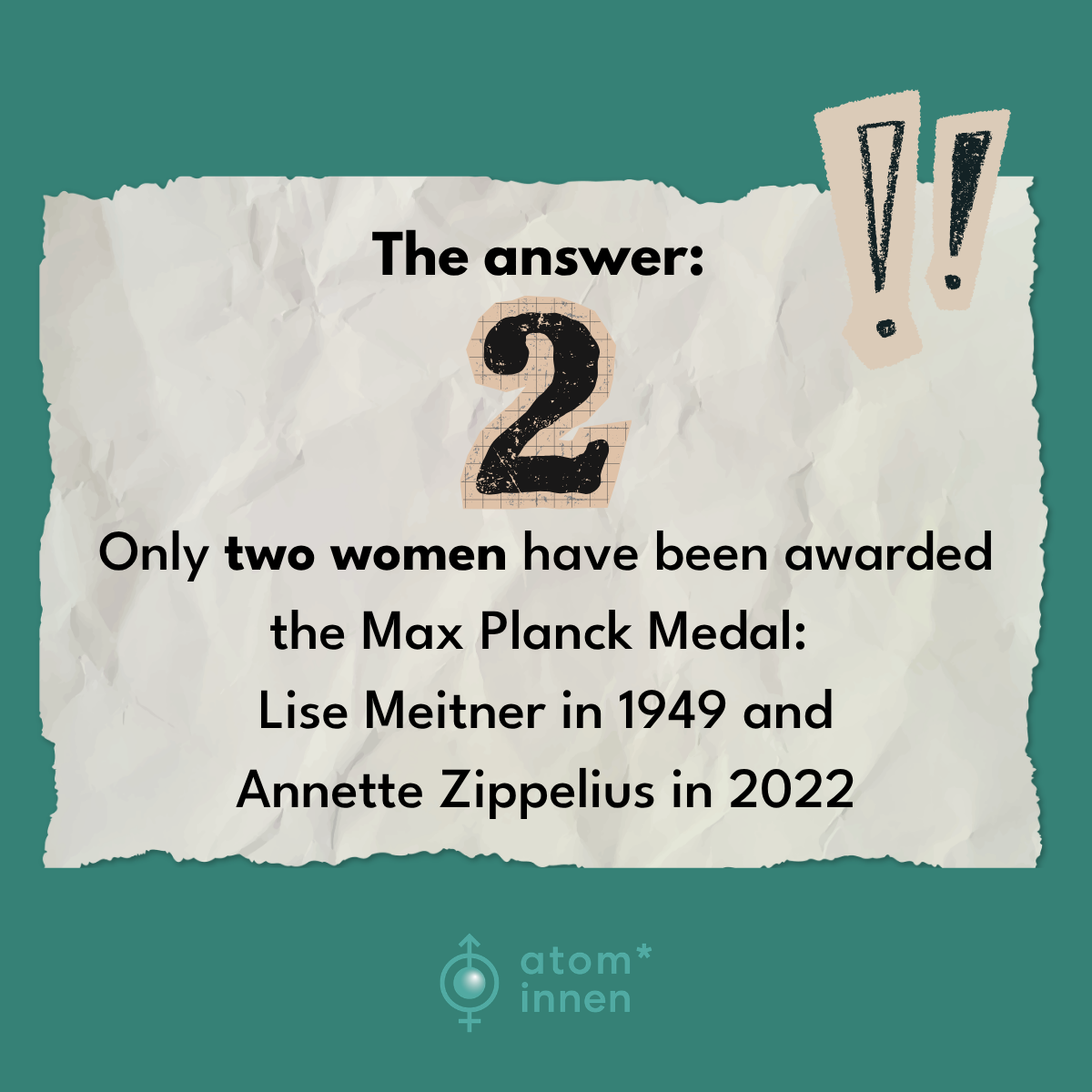
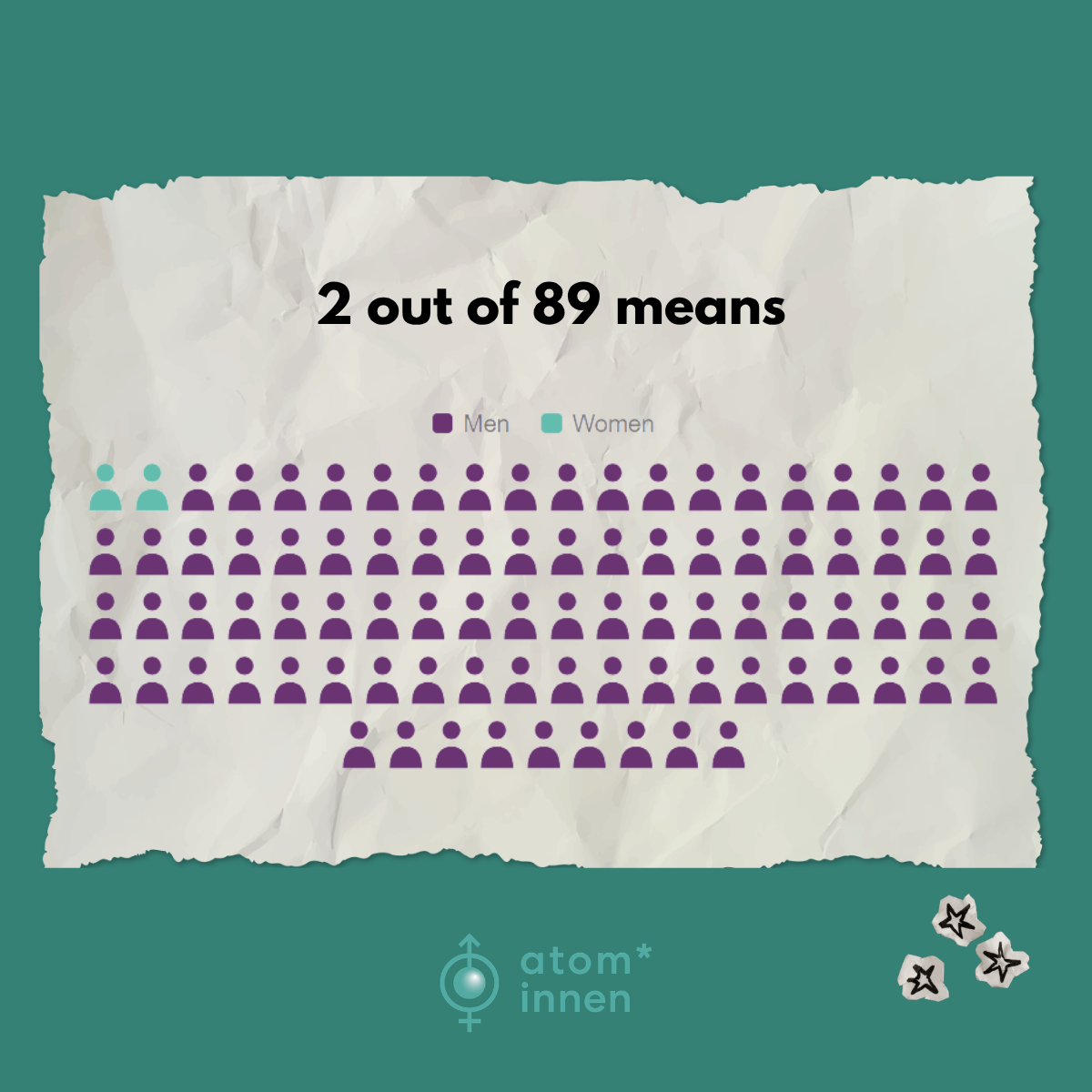
A single data point, a larger pattern
This gap mirrors a broader pattern of underrepresentation in scientific recognition — exactly what our #PhysicsCounts campaign aims to uncover. Prestigious prizes shape who gets remembered as a leading figure in a field, who gets cited, and who gets invited to the table for the next generation of opportunities. This imbalance raises real questions about how recognition has been distributed in physics — and about the structural barriers that have kept many women's contributions from being acknowledged at this level.